
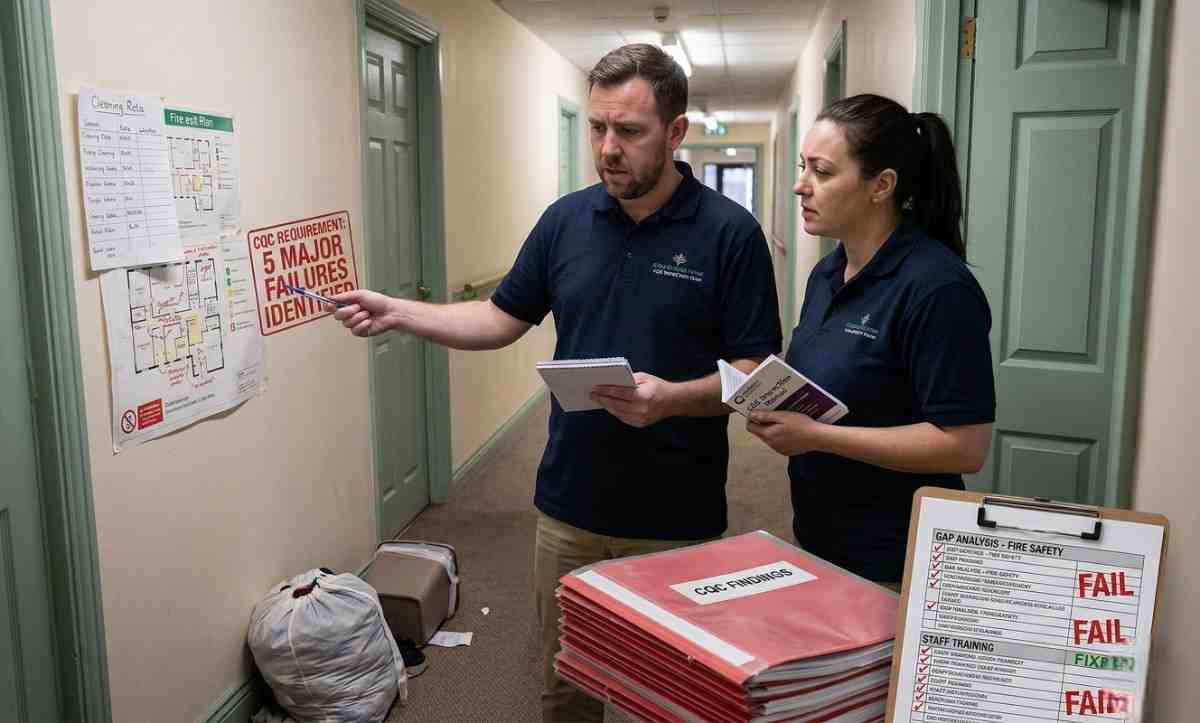
5 Real CQC Failures That Could Have Been Prevented by Gap Analysis
May 5, 2026 |
In the UK healthcare sector, compliance is more than just a regulatory requirement. It is the standard for safety and quality services offered by a dental practice. But many practices fail their Care Quality Commission (CQC) inspection due to some failure. What is the one thing that connects all these failures? Lack of a proper evaluation.
Through a CQC Gap Analysis, healthcare providers can avoid costly consequences of non-compliance and reputational damage and ensure smooth operations. Here are 5 real cases of CQC failures and how they could have been avoided with a gap analysis.
- Incomplete Staff Records and Missing HR Documentation
One of the most common issues in CQC compliance is inadequate staff records. Practices lack updated employment records, onboarding documentation, or adequate training records.
Without adequate HR documentation, clinics are unable to demonstrate their staff competency and compliance with regulatory standards. In some cases, practices are flagged by inspectors for not having their DBS clearances and induction paperwork.
The CQC Gap Analysis allows clinics to identify any gaps in documentation to ensure:
- Complete staff records
- Up-to-date certification of training
- Employment regulation compliance
- Poor Infection Control Procedures
Infection control is one of the major aspects that the CQC evaluates during inspections. Some examples of failure are faulty sterilisation techniques, poor cleaning procedures, and the absence of audit trails.
Such failures not only pose risks of hazards but also indicate inefficiency in internal governance.
A structured review highlights gaps in:
- Cleaning schedules
- Maintenance logs of equipment
- Hygiene protocols for staff
- Lack of Clear Policies and Procedures
Many healthcare providers use generic, outdated, or poorly implemented policies. This will be flagged during an inspection, especially when staff members are unfamiliar with policies and procedures and are unable to explain them.
Gap analysis ensures that:
- Policies are updated and tailored to the practice.
- Procedures are well-known among the staff.
- Documentation matches real operations.
- Ineffective Feedback and Complaint Handling
Another mistake is the lack of an organised system to handle feedback. Some practices have problems with documenting complaints properly or fail to act on them. This affects compliance.
By evaluating the feedback system, practices can:
- Establish proper documentation of complaints
- Respond quickly and effectively to complaints
- Use feedback for further improvement
- Weak Leadership and Governance Oversight
CQC inspections often highlight leadership gaps such as unclear responsibilities, a lack of audits, or inconsistent monitoring of compliance activities. Without strong governance, even the best compliance frameworks may fail.
A detailed review identifies:
- Missing internal audits
- Lack of performance measurement
- Gaps in leadership accountability
With a detailed review, practices can develop a strong governance framework for compliance.
Why Proactive Compliance Matters
These failures are created over time because of poor planning or a lack of structure. When done right, the CQC Gap Analysis changes this from a reactive process to a proactive one, making it easy for practices to operate efficiently.
Conclusion: Prevent Failures Before They Happen
CQC issues arise from several little things that go unnoticed over time. These include missing HR documentation, inadequate governance systems, and more, which can silently affect the practice’s credibility.
By investing in a comprehensive CQC Gap Analysis, practices can easily mitigate any risk and be prepared when undergoing inspections. Denttrack offers an effective solution for dental practices seeking ways to make CQC compliance easy.